Lacan in australia
READing Freud
The Uncanny, 1919
Lacan in Australia is currently reading Freud’s famous paper, The Uncanny. The sessions are free and online, and are being recorded.
“The uncanny is in reality nothing new or alien, but something which is familiar and old-established in the mind and which has become alienated from it only through the process of repression.” — Sigmund Freud, The Uncanny
READING LACAN
Seminar VII, The Ethics of Psychoanalysis, 1959–1960
Lacan’s work in Seminar VI, Desire and Its Interpretation led him next to an exploration of ethics — specifically, an ethics that responds to the psychoanalytic experience and to the singular subject of the unconscious.
“The only thing one can be guilty of is giving ground relative to one’s desire.” — Jacques Lacan, Seminar VII, The Ethics of Psychoanalysis
READING ANTIGONE
Sophocles’ Antigone, 440 BC
Antigone wants to bury her dead brother Polynices; Creon forbids it. The resulting clash of wills, desires and laws – the tragedy – brings the house of Thebes to catastrophe.
Lacan in Australia recently performed Antigone in full, over two acts, in preparation for Lacan’s extensive engagement with the play in the latter sessions of his Seminar VII, The Ethics of Psychoanalysis.
PSYCHOANALYSIS
Lacanian psychoanalysis attends to desire, the unconscious, and the singular ways in which a person speaks, repeats and suffers.
It offers a place to explore symptoms, desires, relationships and recurring difficulties, and to listen for the particular logic that gives them their shape, without reducing experience to a predetermined explanation..
Analysis is available in person in Melbourne CBD, online via Zoom, or by phone.
RECENT Social media posts
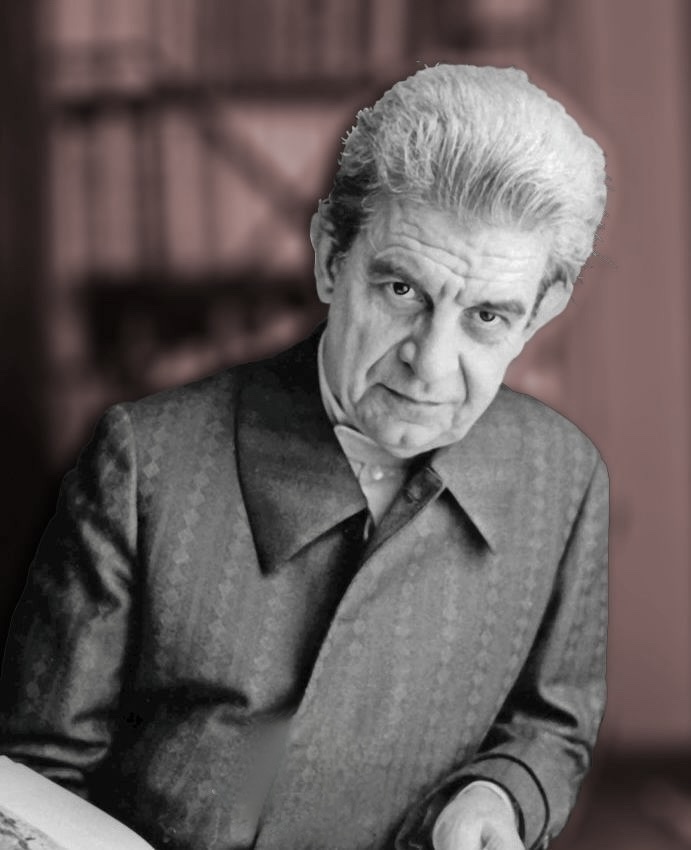
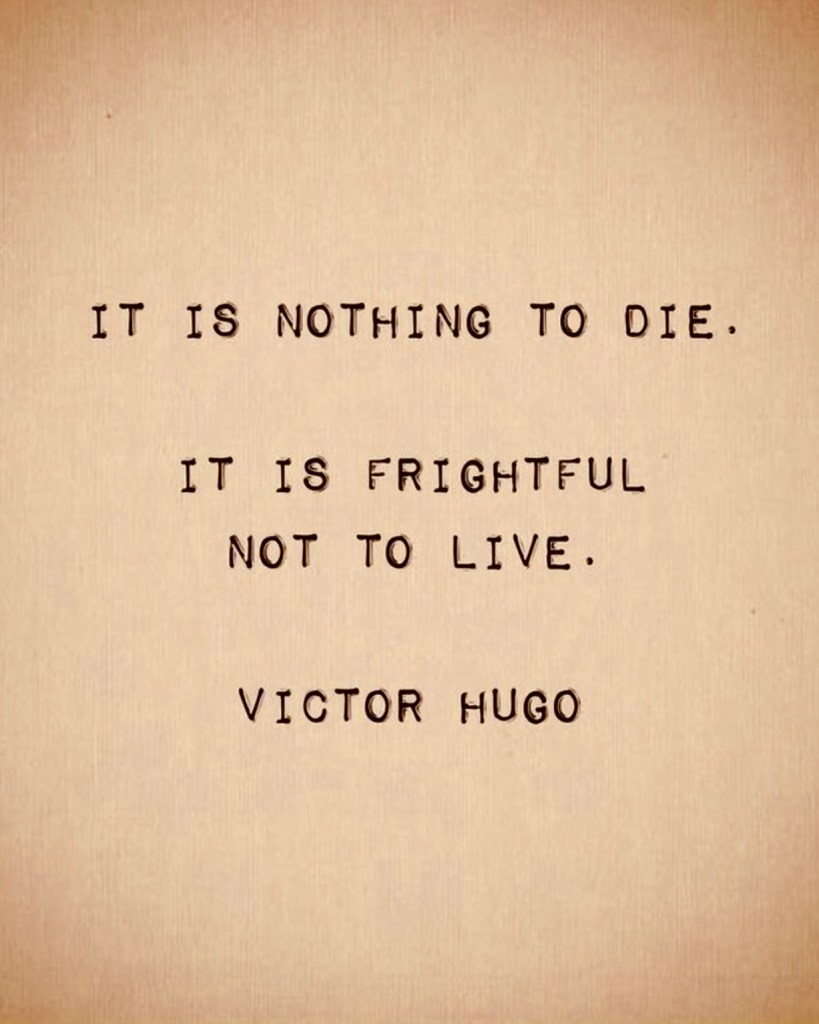

Follow Lacan in Australia on social media — if you can bear it.
We post prolifically on:
Instagram · Twitter/X · Threads